
Renovation approvals in Dubai: apartment fit-out in Dubai Creek Harbour with triplex glazing and remote management
Renovation approvals in Dubai: apartment fit-out in Dubai Creek Harbour with triplex glazing and remote management
Project context: why approvals were a key stage
This project in Dubai Creek Harbour was not a typical cosmetic renovation but a targeted fit-out in a finished apartment: works needed approvals, protective triplex glazing for the balcony, concealed profiles and sealing, finishing of the walk-in closet and guest bedroom, and remote coordination with the client.
The key takeaway for apartment owners is simple: renovation approvals in Dubai affect not only the start of works but also the budget, contractor sequencing, site access, building management acceptance and final handover. If the approval stage is underestimated, even small changes — glass, electricals, removal of sanitary fixtures, backlit furniture — can slow down the entire schedule.
For this project the MWS team managed the BOQ, documented stages with photos, closed concealed operations and coordinated decisions with the client remotely. For similar jobs you can request a consultation in advance via the form to discuss the required documentation, approval sequence and an indicative work order.
What was done on site
Works covered several zones of the apartment: the balcony, the walk-in closet and the guest bedroom. The main technical focus was the balcony: external triplex glazing was installed over an area of 19.9 m², a concealed recessed profile of 33.6 linear meters was prepared, and gaps and microcracks were sealed along 55.9 linear meters.
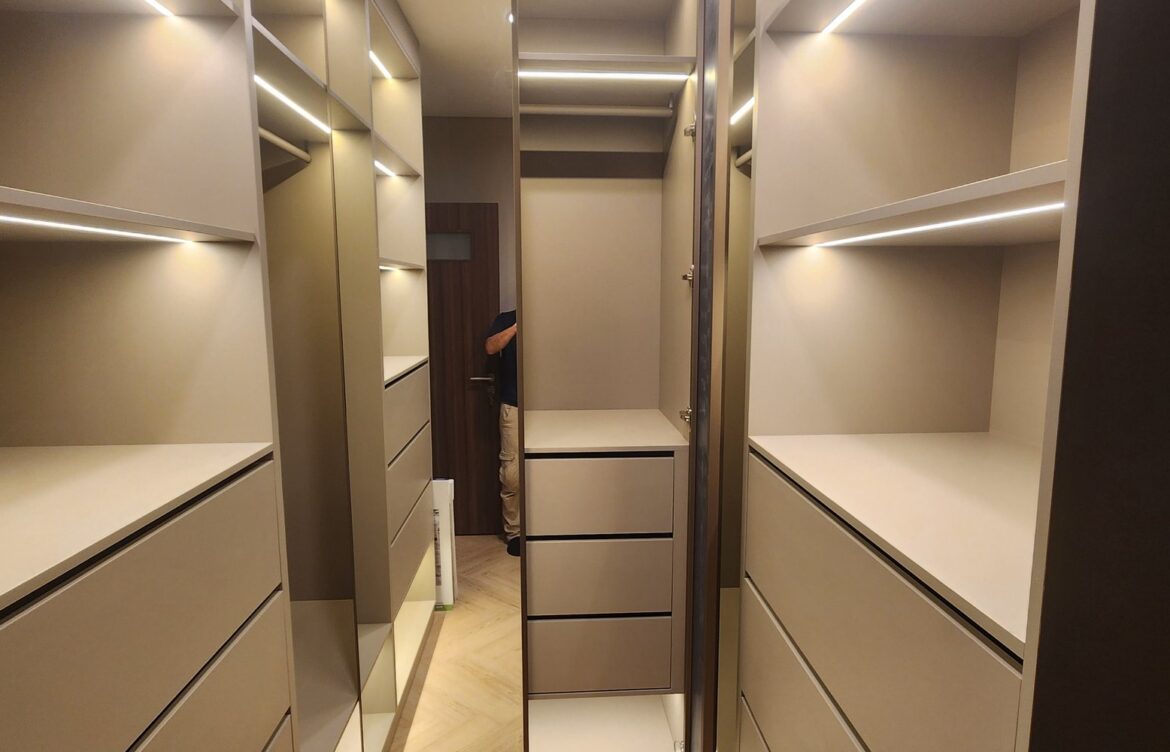
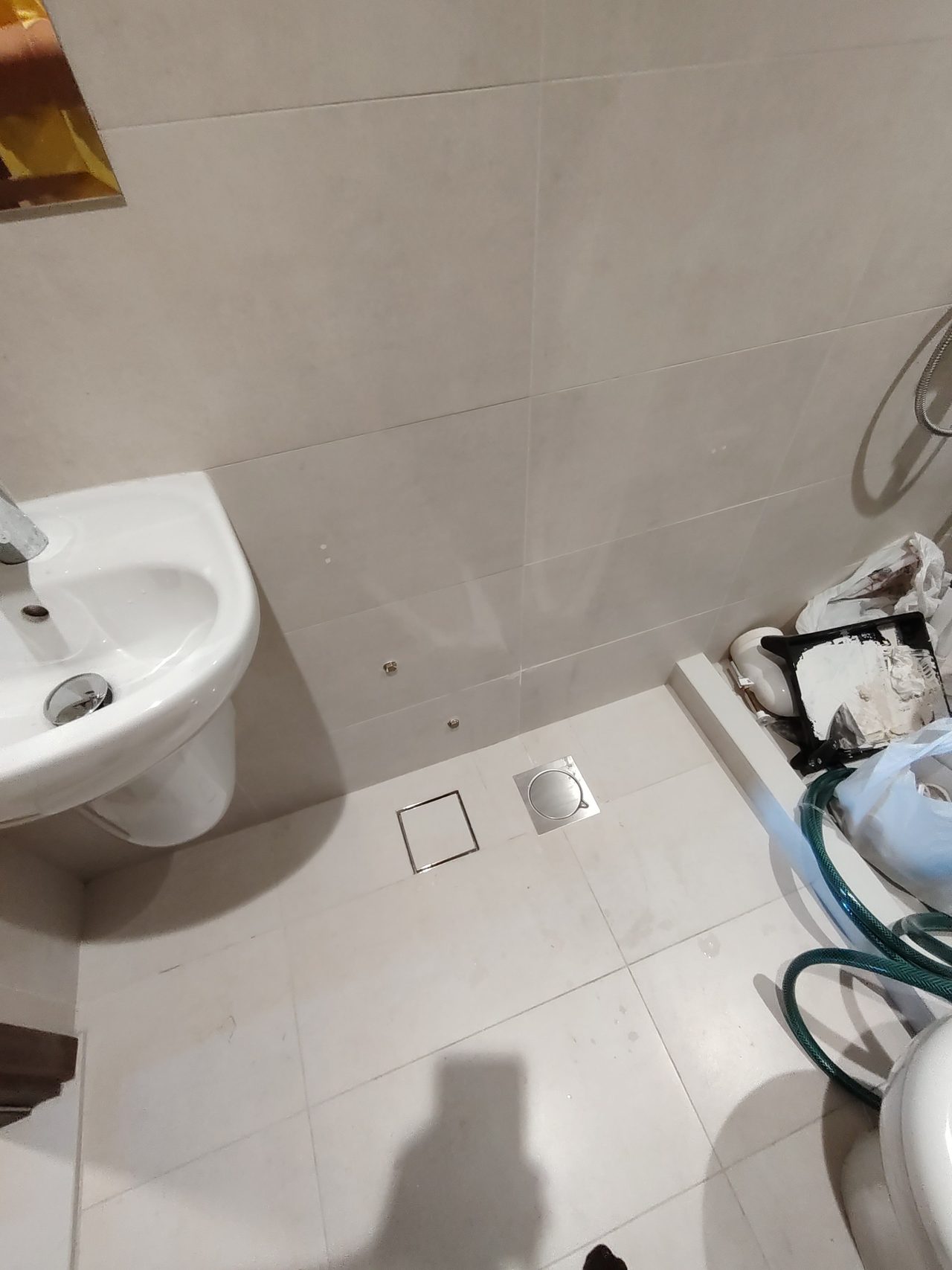
In the walk-in closet demolition and engineering tasks were carried out: skirting boards removed, sanitary fixtures dismantled, water supply and drainage points capped, a floor trap installed, cable routing, a switch replaced, assembly of the built-in sliding wardrobe and case goods, and installation of lighting.
In the guest bedroom the team completed local ceiling and electrical works: partial removal of the gypsum board ceiling, cable routing, installation of a back box, fitting a switch and socket, lining with moisture-resistant gypsum board, jointing and sealing. Furniture was also assembled: wardrobe, bed, bedside table and separate case elements.
This project format shows that even seemingly small renovations often include multiple disciplines in the BOQ: glass, metal, sealants, electrical, plumbing, ceilings, furniture and finish. That is why it is useful to look not only at the final price but at the structure of the works.
Balcony with triplex glazing: technical challenges and installation sequence
The balcony was the most sensitive part of the project. The task was not just to install glass but to carefully fit protective triplex behind the existing metal railing so as to preserve the panoramic view and avoid a visually heavy structure.
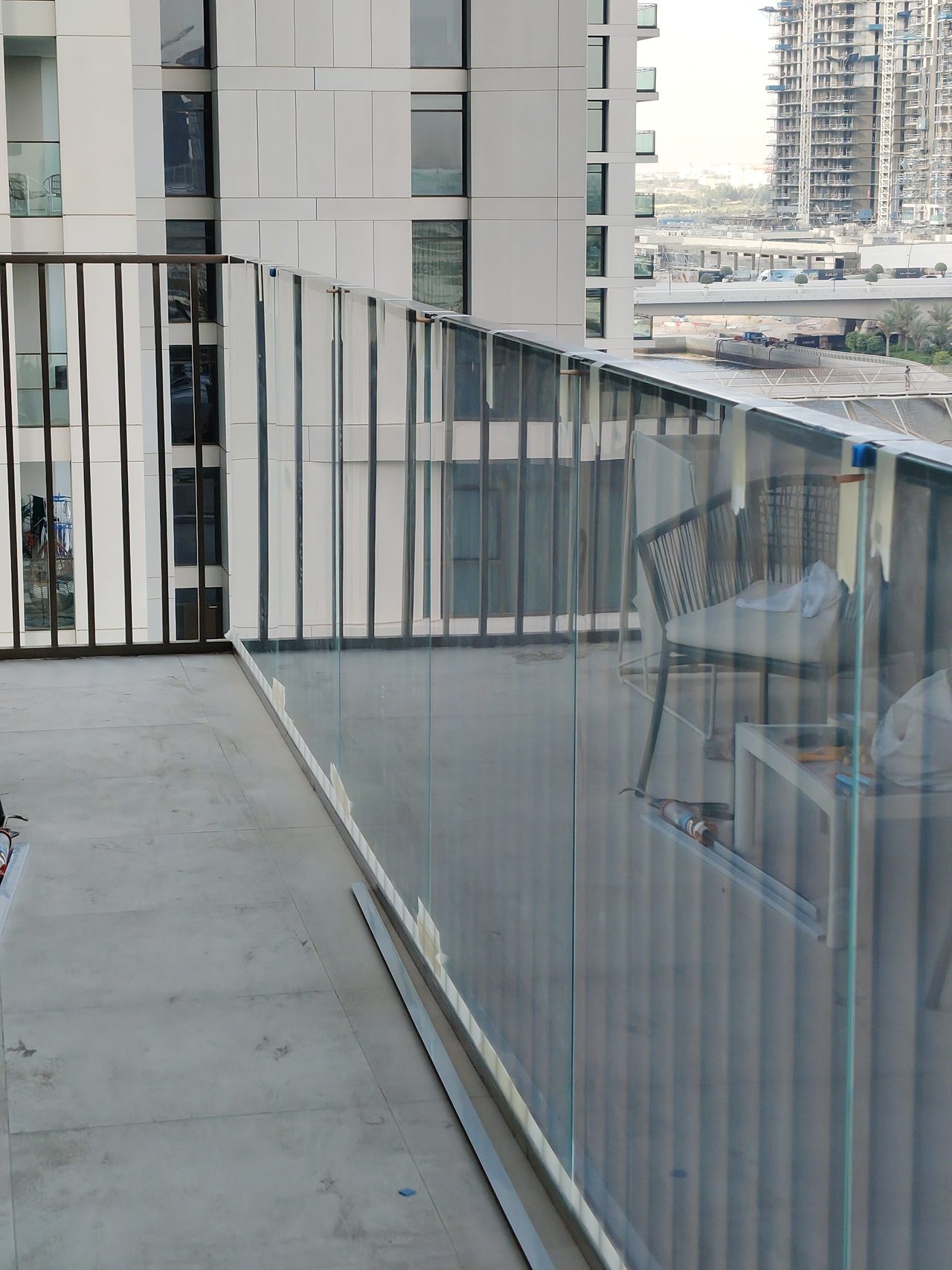
The sequence of such works is critical. First the seating areas and geometry are checked, then the profile is prepared, glass panels are lifted and fixed, after which joint sealing and closure of interfaces are performed. In this project the BOQ included installation of the glass panels, profile, corner pieces, tape and subsequent local ceiling skimcoat.
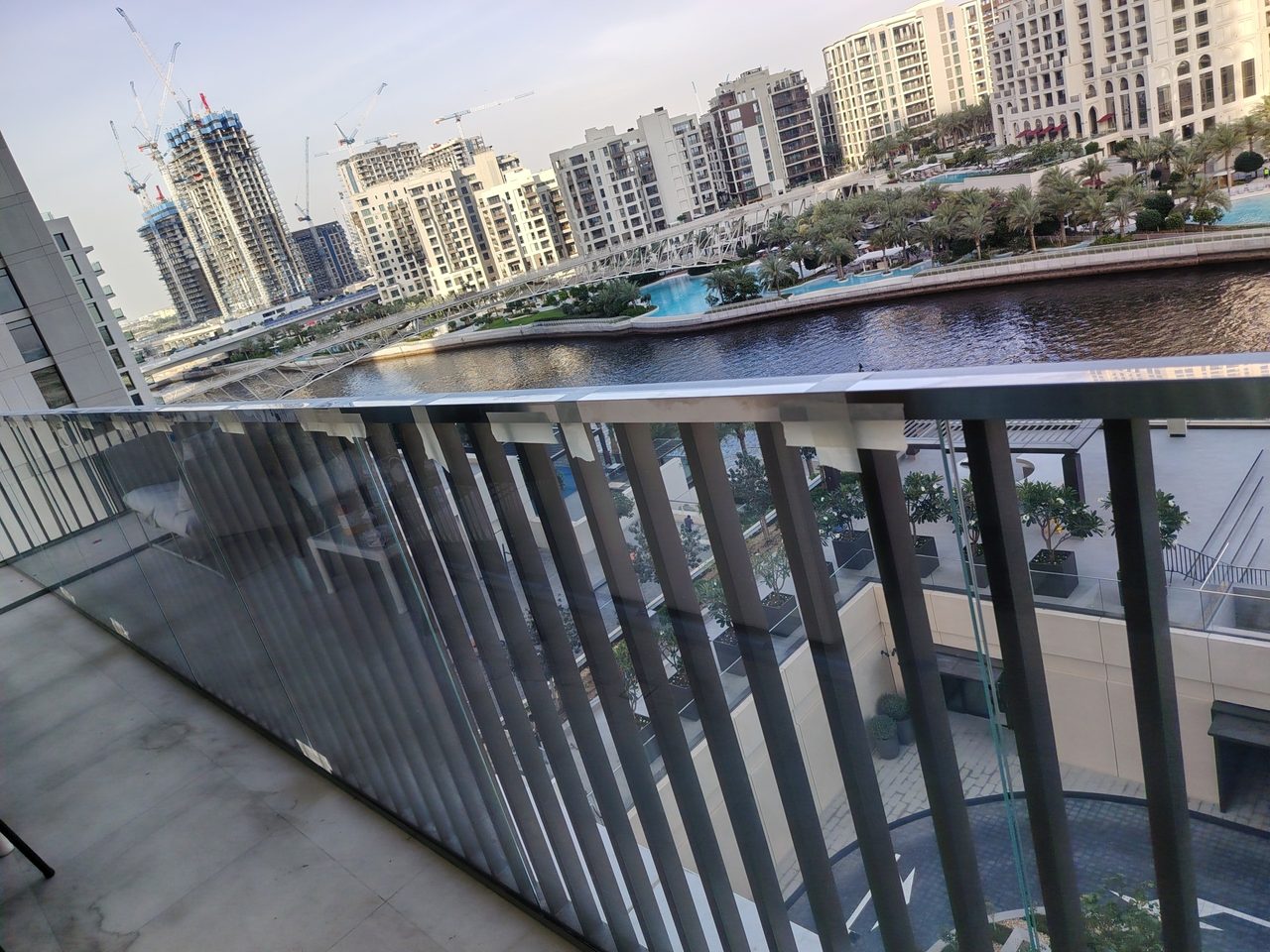
For cost this matters for three reasons. First, triplex is heavier and requires careful logistics. Second, the concealed profile and sealing increase labor intensity, though they may not be obvious after completion. Third, any defect at junctions can appear later — through vibrations, noise, leaks or issues during acceptance.
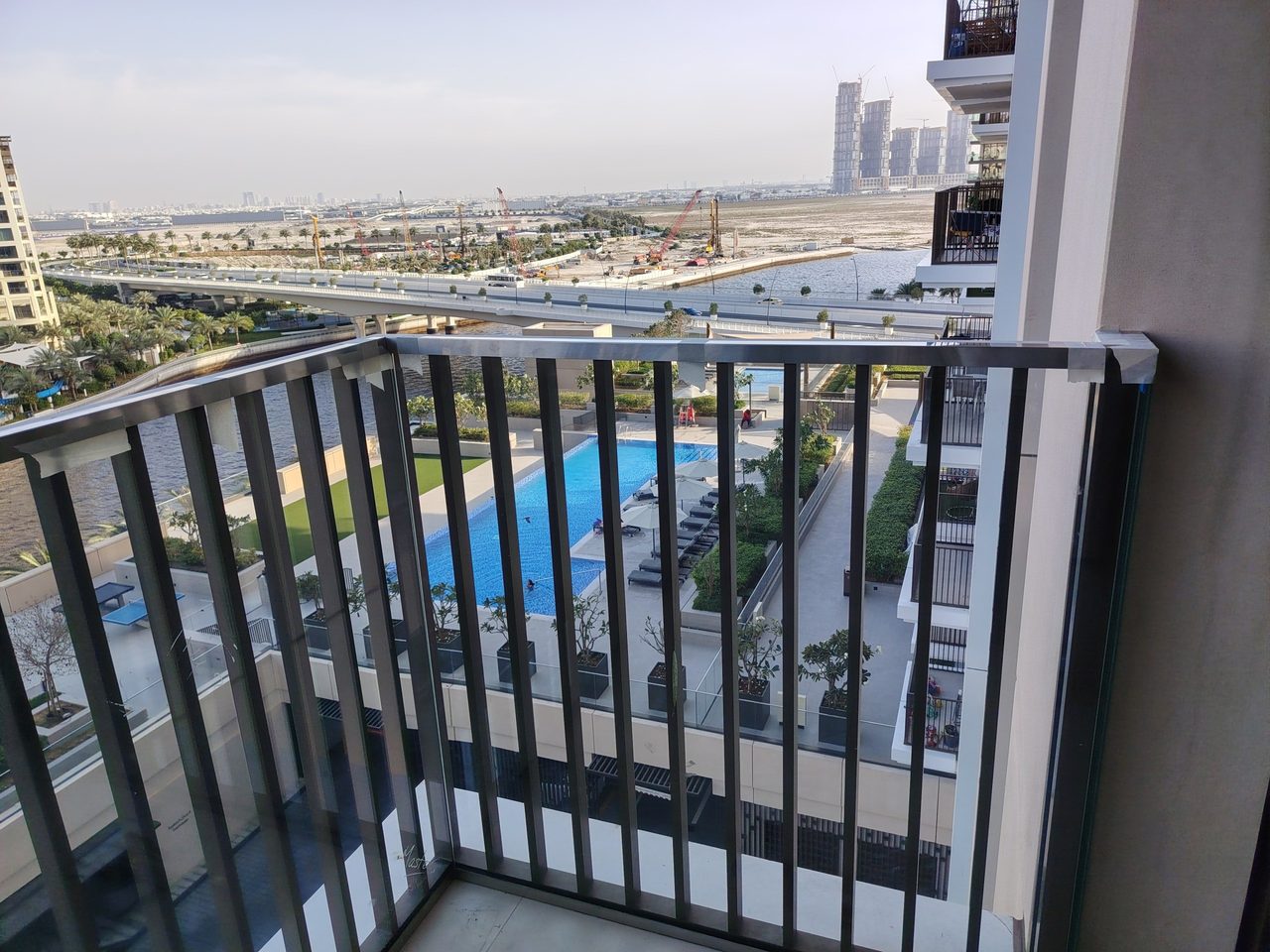
The ultimate goal is to make the structure safe, visually clean and compatible with the building’s existing facade. Therefore, owners should understand in advance which works are visible and which are concealed and must be confirmed with photo evidence.
Dubai-specific approvals: what the apartment owner should consider
For an apartment fit-out in Dubai approvals rarely end with a single formality. When the project is inside a residential complex, the contractor must consider building management rules: how to submit documents, permitted work types, protection of common areas, worker access, material deliveries and waste removal.
This project’s approval was complex because the works affected the exterior appearance and technical elements of the balcony. For such tasks the owner should clarify in advance what exactly needs approval: glazing, profile installation, ceiling interventions, electrical points, capped plumbing points, illuminated furniture and any changes visible from outside or affecting engineering systems.
The MWS team supports these tasks via the service Documentation and approvals. For English-speaking clients this block is often described as renovation approvals in Dubai: preparing a clear scope of works, agreeing the sequence and documenting stages for both the client and the management company.
If the project includes several disciplines, it is useful to check the contractor’s full list of services in advance: All renovation and fit-out services. This reduces the risk of unaccounted subcontractors and gaps in responsibility after work starts.
Walk-in closet and guest bedroom: electricals, furniture and finish
The walk-in closet in this project was not just storage. Built-in furniture was assembled, lighting installed, a switch replaced and cables routed. For such areas it is especially important to have power points agreed in advance: once furniture is installed, moving electrical points becomes more expensive and complex.
In the guest bedroom ceiling, electrical and furniture assembly works were carried out. Local removal of gypsum board ceiling, cable routing, back box installation, fitting a socket and switch — a small area in terms of footprint but important for daily room usability.
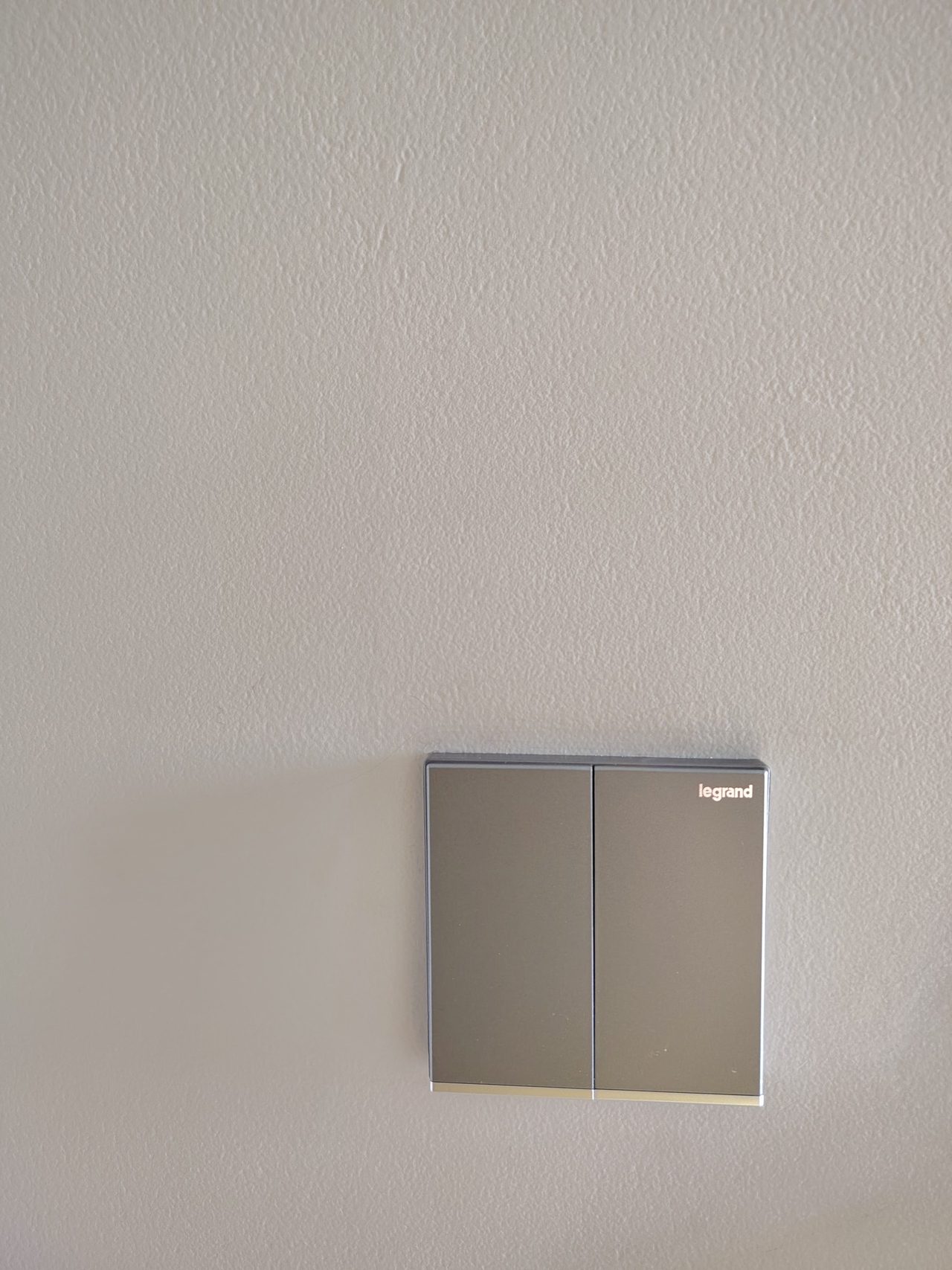
In these rooms the owner should check not only the furniture’s appearance but practical details: door and drawer operation, access to boxes, lighting performance, absence of visible damage around switches, evenness of junctions and cleanliness of the finish after skirting and ceiling works.
How MWS controls BOQ, photos, reports and remote approvals
When a client manages the project remotely, the control system becomes as important as the crew. In this project BOQ, photo documentation and stage confirmations played a key role before moving to subsequent works.
BOQ control lets the owner see not an abstract renovation but specific items: linear meters of sealing, glass area, profile length, number of switches, back boxes, plumbing caps, furniture sets and ceiling works. This helps separate base scope, concealed works and additional solutions.
Photo reports are especially important for concealed zones: cables before closing the ceiling, sealing before final finishes, profile installation before glazing, plumbing points before closing furniture or decorative elements. For a remote client this reduces the risk of disputes at handover.
Decision approvals should happen before procurement and installation. For example, glass type, profile, lighting placement, switch type and furniture assembly order are better agreed in advance. Changing these decisions after installation can increase cost and time disproportionately.
Why this stage affects cost, quality and handover
In Dubai fit-out projects costs often change not because of one large item but due to many small technical decisions. Sealant, corner pieces, tape, profile, glass lifting, local skimcoat, skirting removal, cable runs and caps look like minor tasks, but without them you cannot properly close the project.
There are three quality control checkpoints:
- Before works start: a clear BOQ, list of approvals, site access, area protection and material confirmation.
- During works: photos of concealed stages, recording changes, sequence control and careful logistics for glass and furniture.
- Before handover: verification of sealing, electricals, furniture, ceiling junctions, cleaning, lighting function and absence of damage.
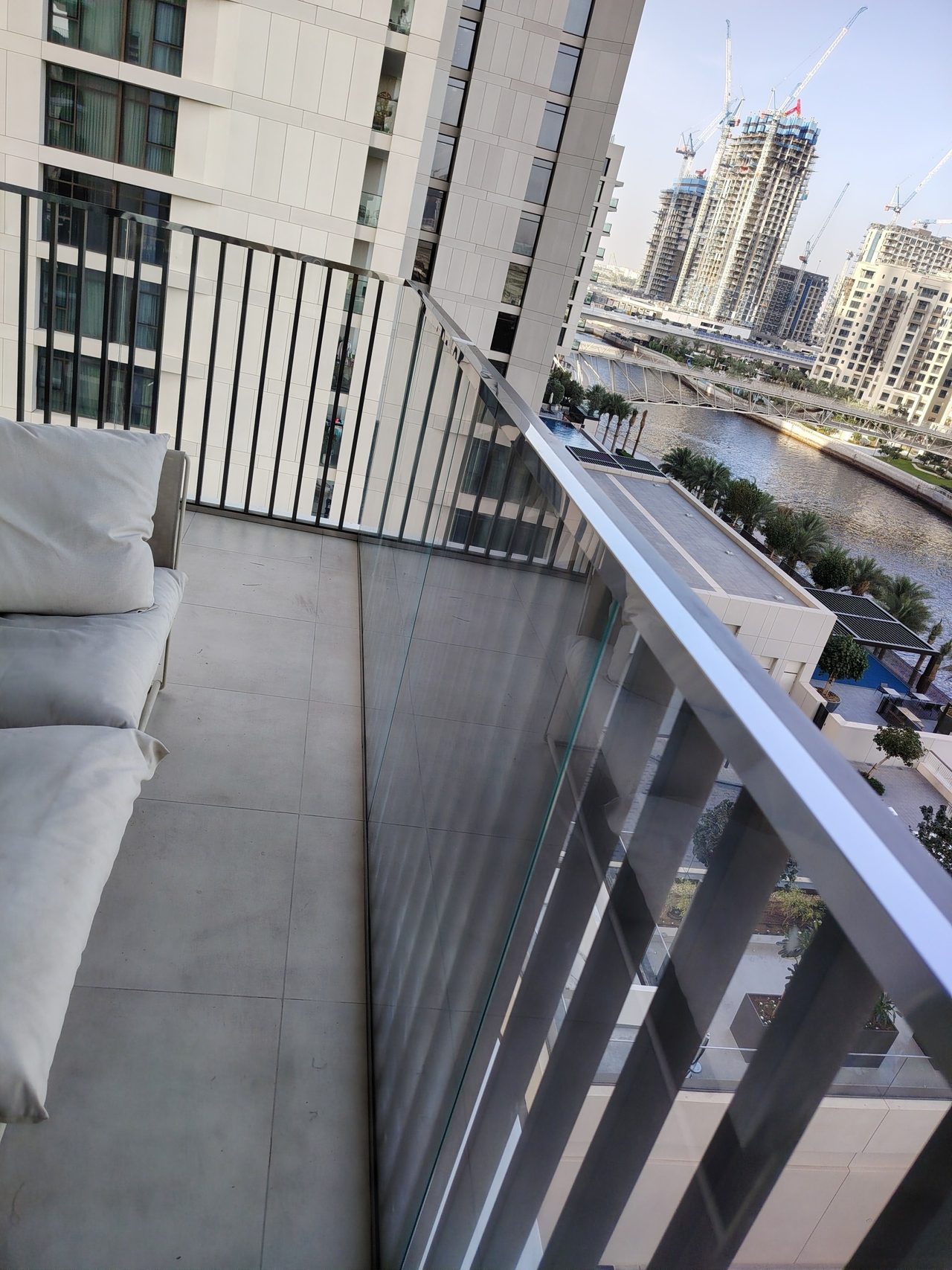
The final result should be not only visually neat but also clearly documented: what was done, which concealed works were closed, which items were accepted by the client and what is handed over to the owner at handover.
What to check before starting a similar project
Before starting a similar renovation in Dubai Creek Harbour or elsewhere in Dubai, the owner should prepare a short checklist. It will help avoid delays and unexpected costs.
Owner checklist before start
- Check which works require approval from building management.
- Ask the contractor to split the BOQ by zones: balcony, closet, bedroom, common works.
- Clarify which items are concealed and how they will be confirmed with photos.
- Agree materials before procurement: glass, profile, sealants, hardware, electricals, furniture components.
- Understand who is responsible for delivery, lifting and protection of glass, furniture and common areas of the building.
- Request a schedule of stages and rules for approving changes, especially if the client is remote.
- Define handover criteria in advance: electricals, lighting, sealing, furniture, ceilings, cleaning and defect rectification.
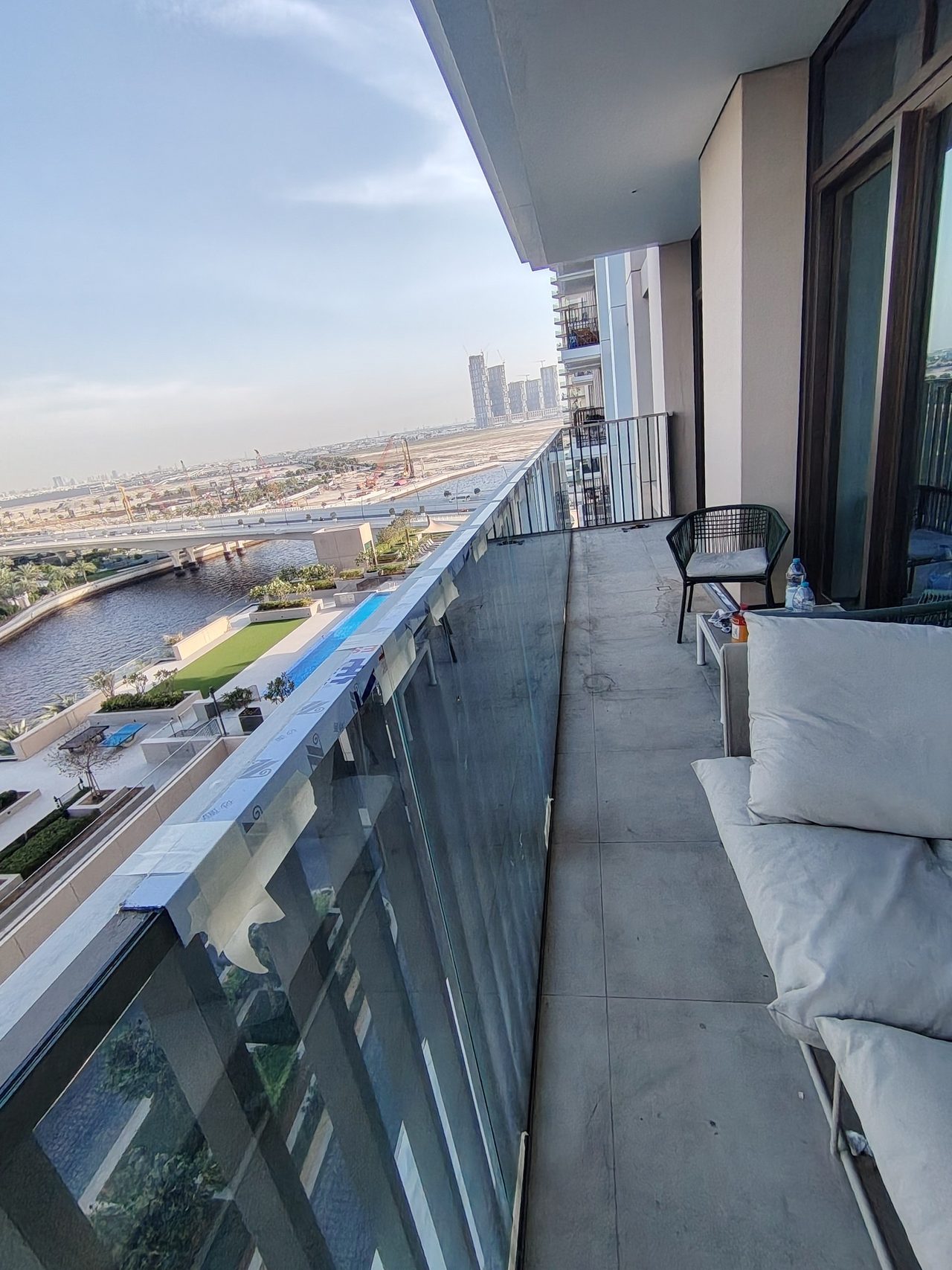
If you plan a renovation, balcony glazing, backlit furniture or any works requiring approvals, you can submit a request via the MWS form. The team will prepare advice on sequence, documentation, BOQ and risks before starting. Examples of completed projects are available in the project gallery.
Frequently Asked Questions
How long does a similar apartment fit-out take in Dubai?
Timing depends not only on the scope of works but also on approvals, building rules, glass and furniture delivery, site access and the number of concealed stages. For similar projects ask the contractor for a staged schedule: approvals, procurement, demolition, profile and glazing installation, electrical work, furniture, finishing and handover.
What affects the cost of this type of renovation?
Cost is affected by glass area and type, complexity of concealed profiles, volume of sealing, logistics for lifting materials, number of electrical and plumbing points, demolition, furniture, lighting and building management requirements. The most reliable control is a detailed BOQ by zones with separate recording of concealed works and potential extras.
What should be checked before approving the contractor handover?
Before handover check balcony sealing, stability and neatness of glass panels, absence of visible damage, operation of switches, sockets and lighting, quality of ceiling junctions, furniture door and drawer function, site cleanliness and availability of photo reports for concealed works. All defects should be documented in a list before final acceptance.