
Replacing Old Water Supply Pipes in Apartments: Repair and Fit-out in Dubai Without Leak Risks
Replacing Old Water Supply Pipes in Apartments: Repair and Fit-out in Dubai Without Leak Risks
Why old pipes in Dubai apartments shouldn't be left "for later"
In apartments, a water leak rarely remains a local problem. It can damage the finish, ceilings in adjacent units, built-in furniture, electrical systems, tiles, ceiling voids and shared building engineering zones. Replacing old and unreliable water supply pipes is therefore not just a plumbing task but an important stage of comprehensive repair and fit-out in Dubai.
The risk increases in practice when water supply lines are partially hidden behind ceilings, furniture, tiles or decorative enclosures. If only the visible finishes are renewed while old pipes remain in walls and ceilings, the owner ends up with a beautiful interior that has a technical weakness hidden inside.
For MWS this stage is treated as engineering prevention: first access to utilities is checked, then dismantling is planned, points are temporarily isolated, new routing is installed and only after that — ceilings, tiles, reveals, doors and decorative elements are restored.
What was done on site: from dismantling to preparing new engineering lines
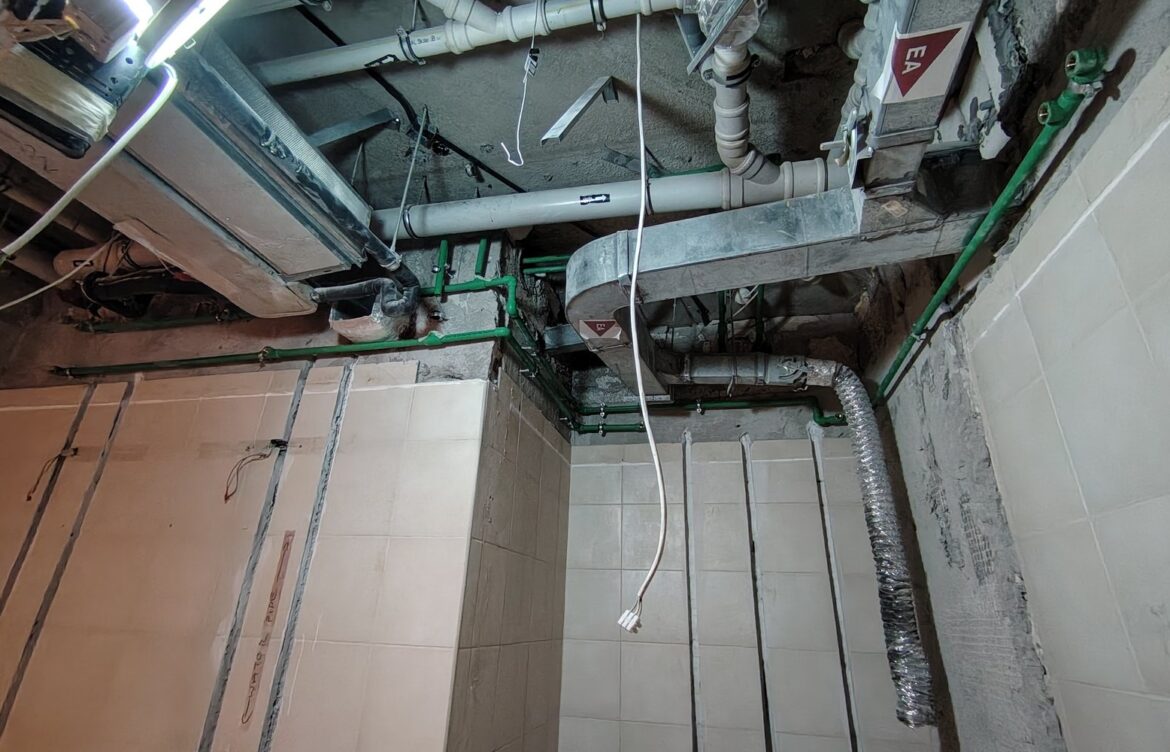
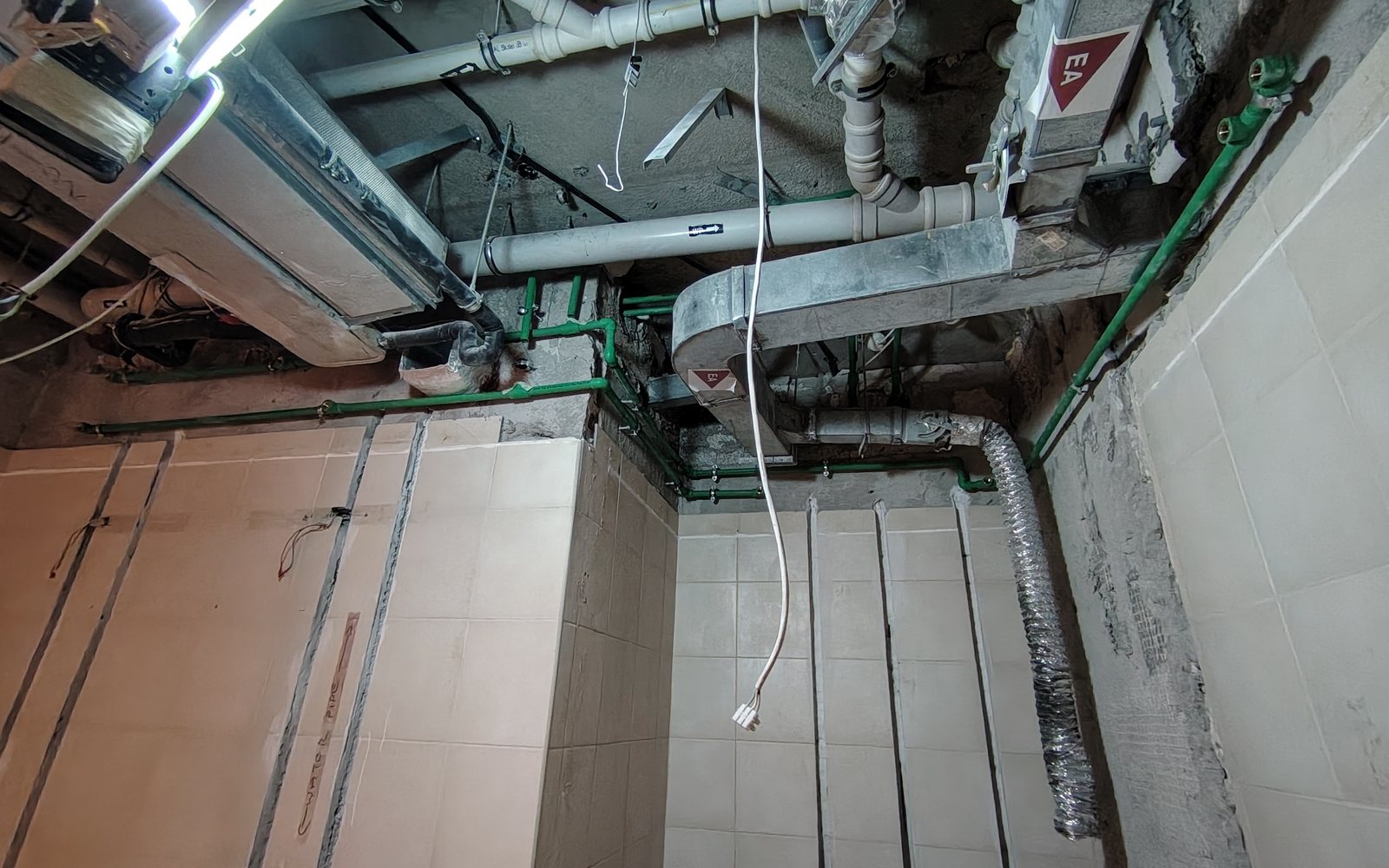
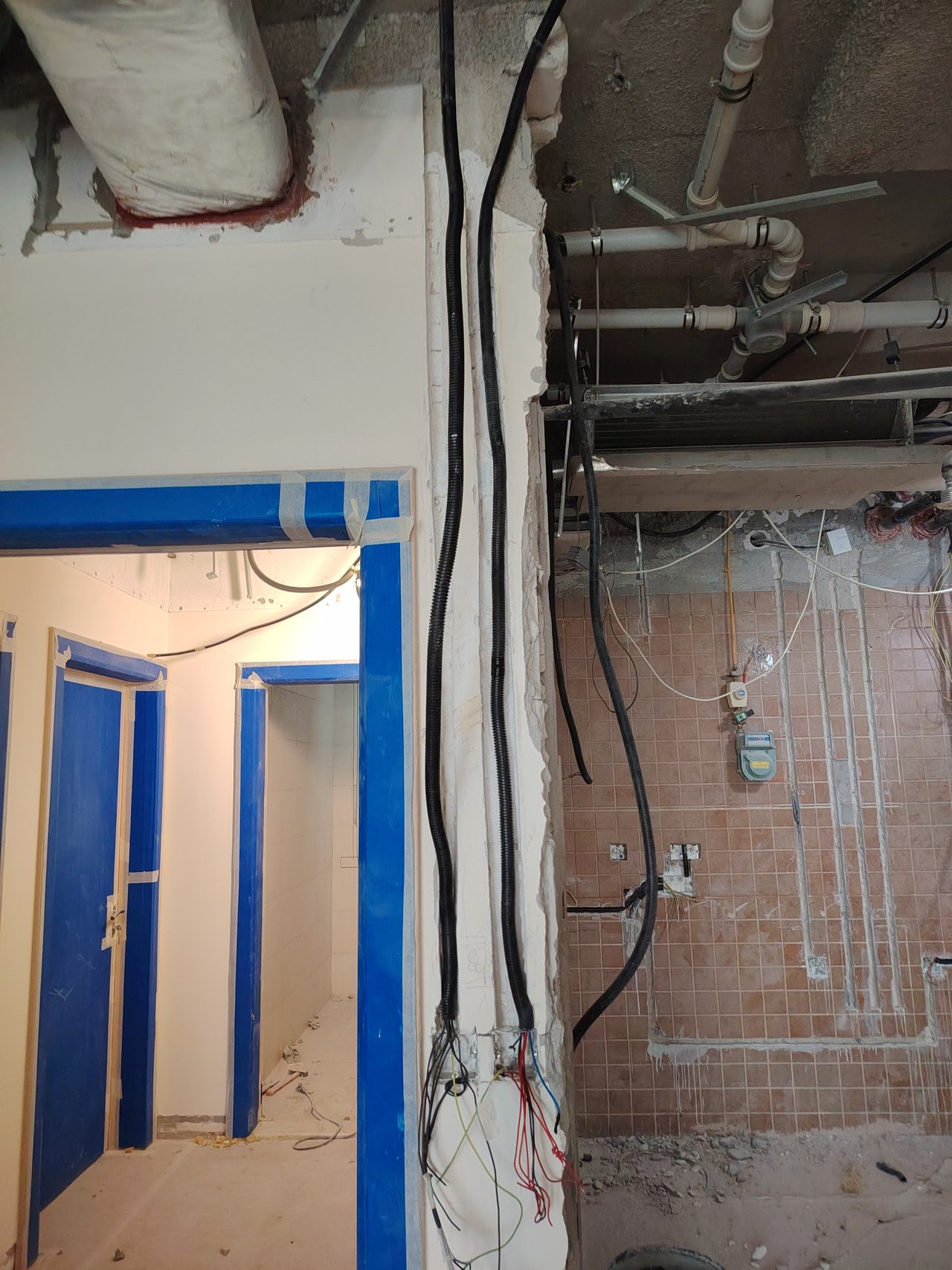
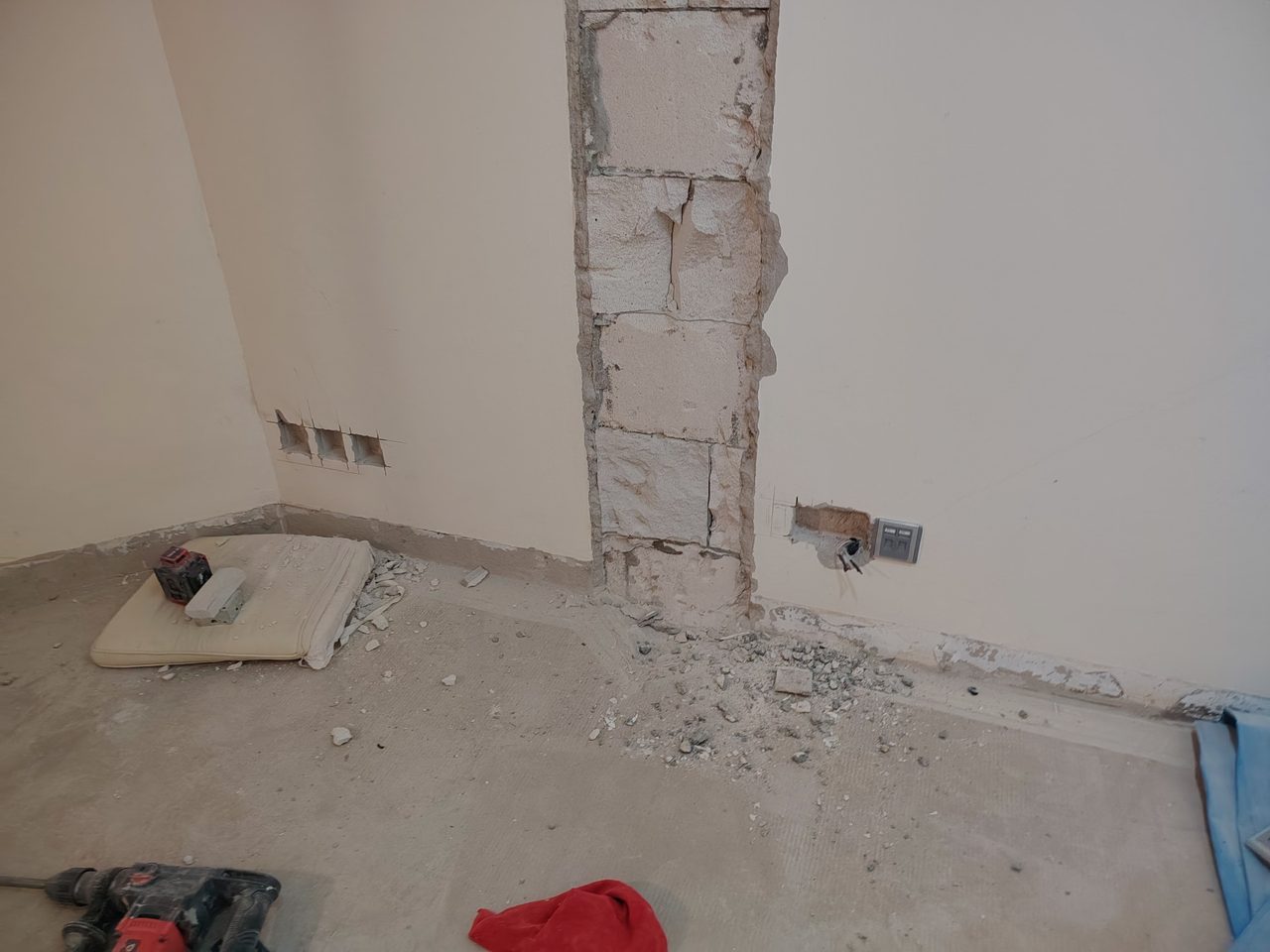
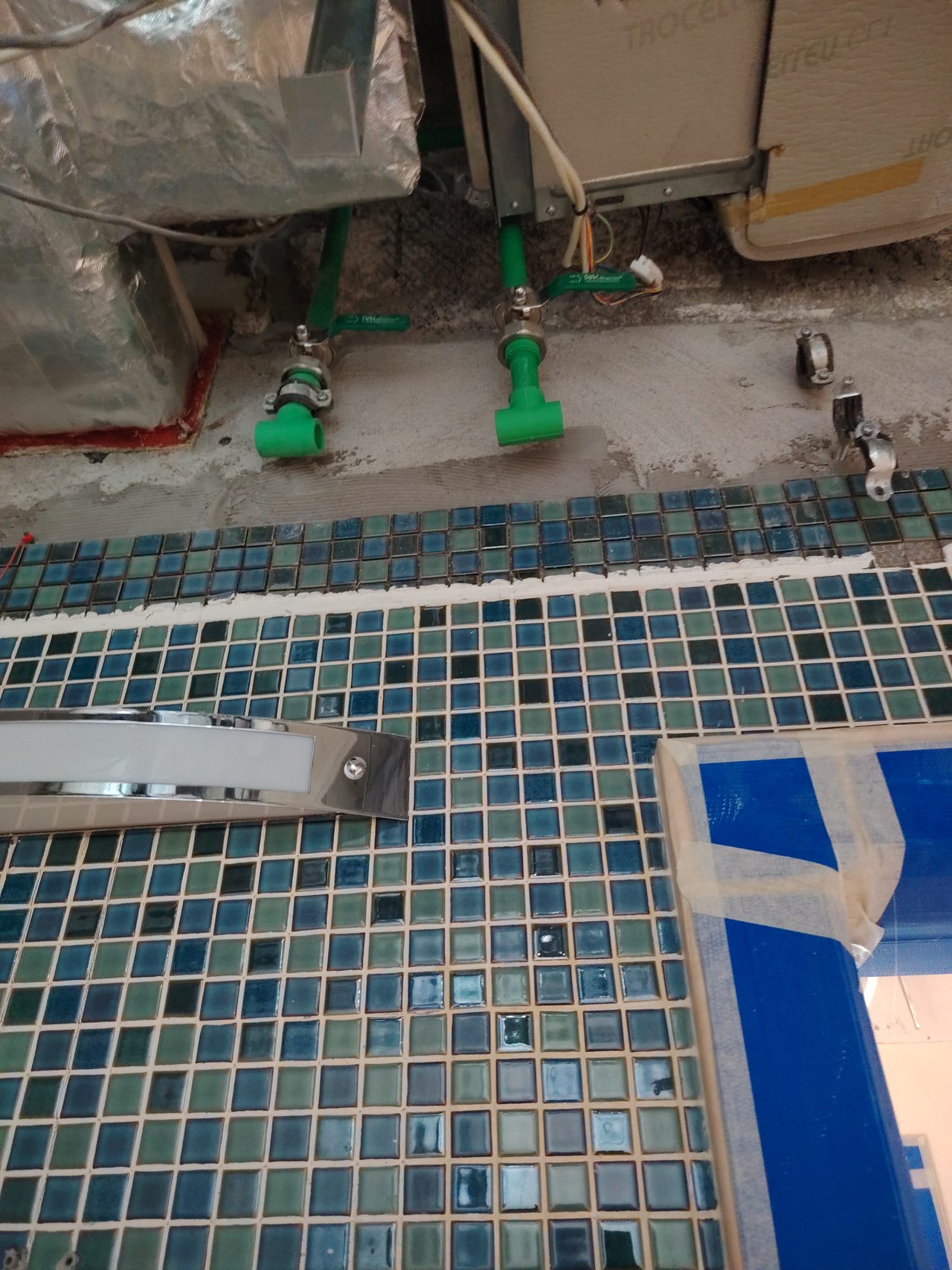
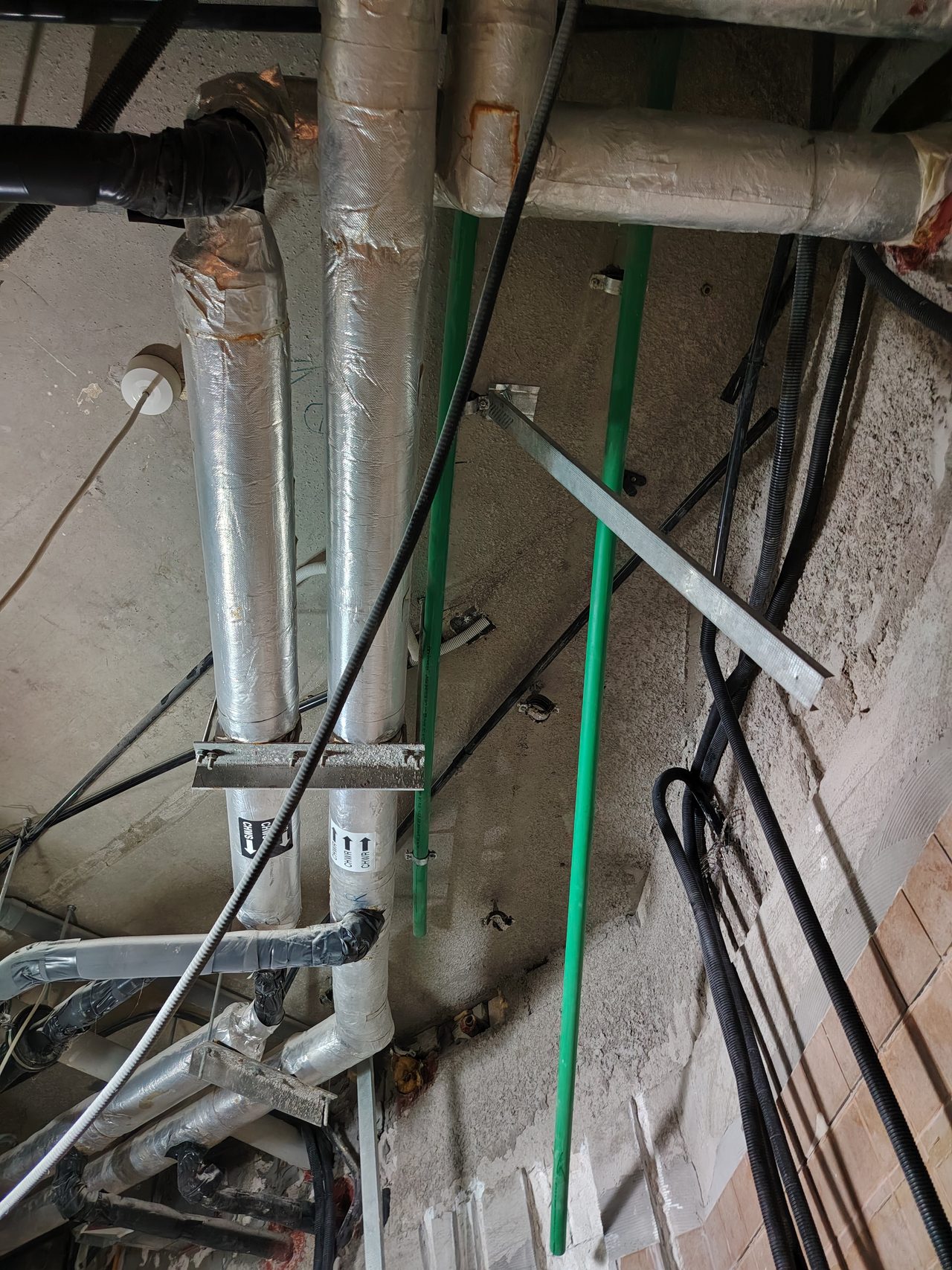
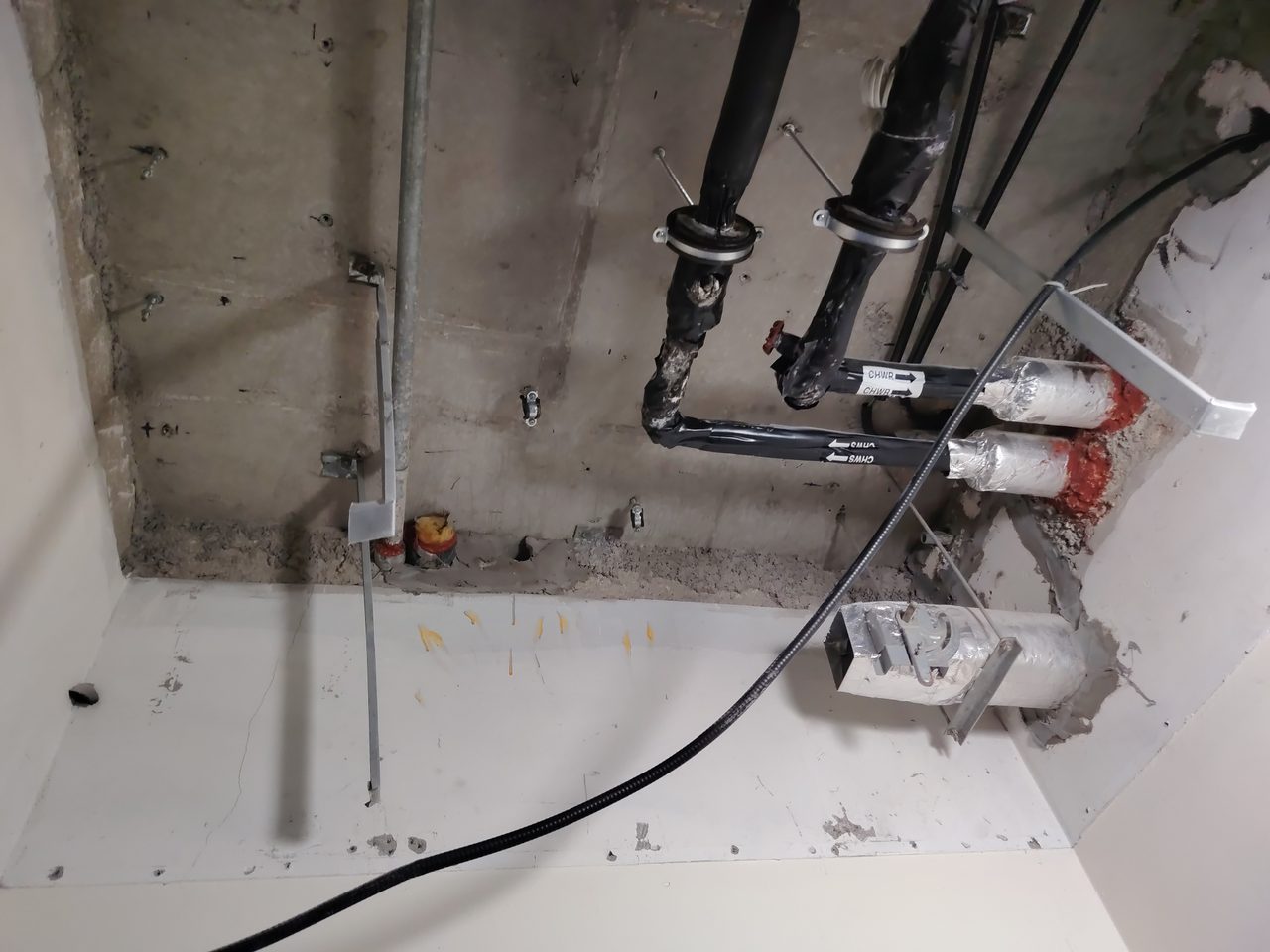
Works carried out in the Dubai apartment included comprehensive preparation for updating engineering utilities. This covered dismantling old ceiling structures, partial removal of partitions, exposing access zones, removing sanitary fixtures, dismantling shut-off valves, isolating water and drainage points, and preparing chases and penetrations for new lines.
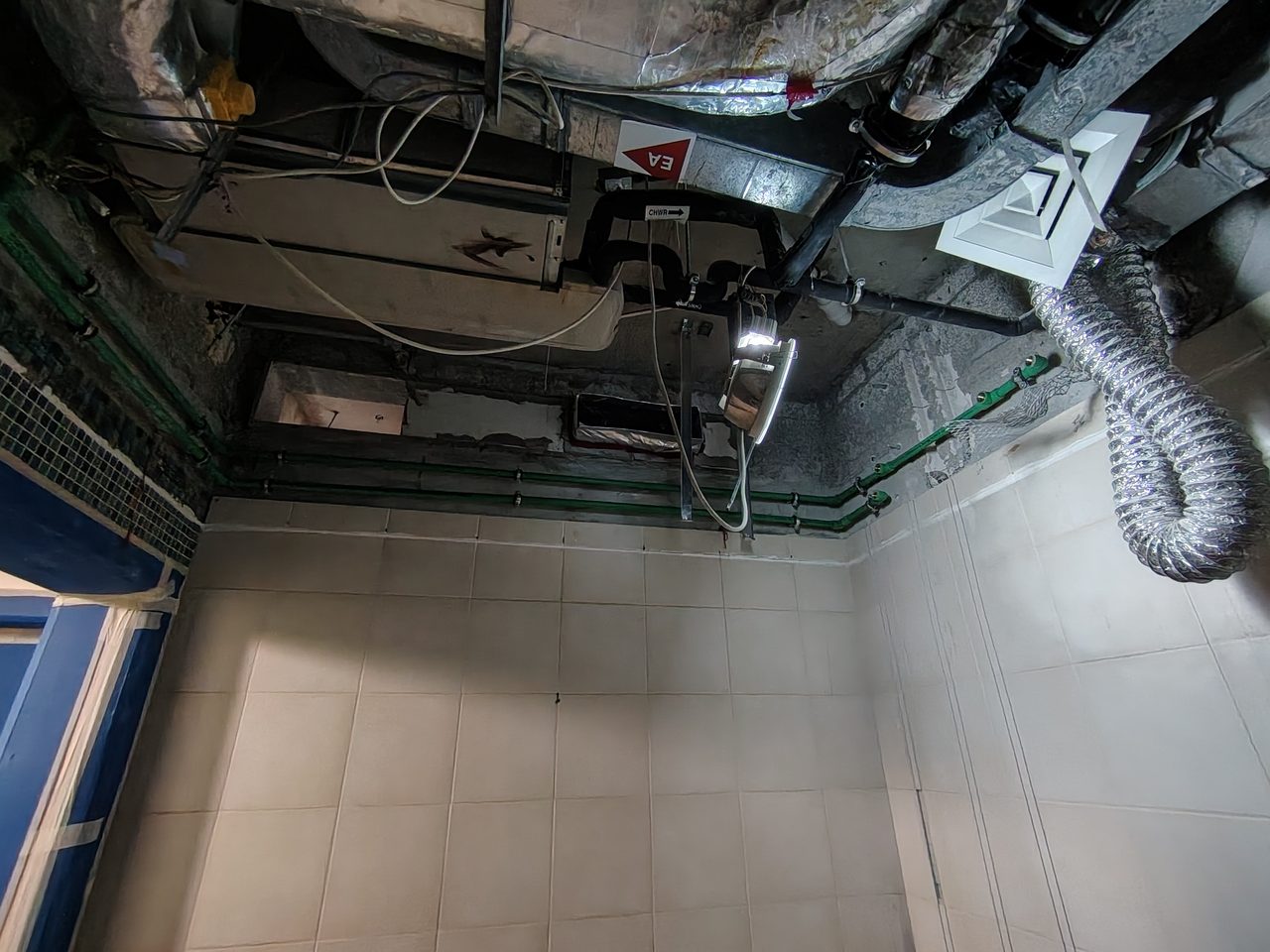
The work affected several functional areas: the kitchen, bathrooms, corridors, dining area, wardrobes and ceiling spaces. This approach is important because water supply lines rarely run strictly within a single room: they connect wet zones, kitchen lines, ventilation ducts, ceiling niches and technical hatches.
At the same time, related fit-out tasks were considered: dismantling and restoring ceilings, preparing for new ventilation grilles, electrical works, laying tiles in bathrooms, mosaic work, gypsum-arch features, radius reveals, skirting boards and final painting of doors and window elements. This prevents having to redo finishes after engineering work.
Correct sequence: why it affects cost, quality and handover
The main mistake when replacing water pipes is starting with the final finishes. A reliable sequence typically looks like this:
- survey of wet zones, ceilings and accessible utility sections;
- protection of floors, doors, window frames and passages;
- dismantling furniture, ceilings, sanitary ware, tiles or enclosures where access is needed;
- isolating active water points and safely shutting off sections;
- chasing, diamond drilling or preparing penetrations for new routes;
- installation of new pipes, fixings, shut-off elements and connections;
- testing the system before closing walls, ceilings and tiles;
- restoring finishes, installing access hatches and handing the result over to the client.
If this logic is violated, costs usually rise due to repeated demolition, damage to new tiles, redoing ceilings, additional site visits and delays to handover. Therefore MWS links plumbing works with the overall renovation schedule rather than treating them separately from the fit-out.
Engineering pipe replacement: what the contractor pays attention to
When replacing old pipes, it’s important to assess not only the material of the new layout but the whole connection unit: access to valves, quality of joints, maintainability, crossings with electrical wiring, ventilation and ceiling structures. Hidden sections are especially critical in apartments — a small leak there can remain unnoticed for a long time.
Modern polymer pipes, including polypropylene solutions, are often used for water supply if they suit the project’s conditions and the building’s requirements. But material alone doesn’t guarantee results: quality depends on routing, welding or connections, fixings, compensation for thermal expansion, correct outlet points and access for future maintenance.
In wet zones MWS also coordinates plumbing with tiling. If mosaic tiles, hidden access hatches or non-standard outlets are planned, the engineering part must be agreed before starting cladding. Otherwise even a small shift in a point can spoil the layout geometry.
Dubai specifics: approvals, building rules and restrictions on noisy works
In Dubai, apartment renovations depend not only on the contractor and the owner. In many buildings the management company requires prior approval of the scope of works, schedule, worker access, waste removal, protection of common areas, water shutdowns and noisy operations like cutting, drilling or chasing.
This is particularly important for engineering works: you cannot simply shut off water or open a ceiling without knowing where the building’s communal lines run and which areas fall under building management responsibility. In some cases preliminary documents from the contractor may be required: method statements, insurance, a list of workers, schedule, NOC or a work permit — the exact set depends on the building.
MWS factors these constraints into planning in advance: it coordinates the sequence, schedules noisy operations during allowed windows, arranges protection for lifts and corridors, controls waste packaging and does not close engineering zones before photo documentation and approval.
How MWS controls BOQ, photos, reports, timelines and client approvals
In a comprehensive renovation it’s important that engineering works don’t get “lost” between demolition, ceilings, electrical and finishing. MWS runs the project through a combination of BOQ, photo reports, interim approvals and a work schedule.
Photo documentation before closing constructions
Before closing pipes with ceilings, tiles or enclosures, the team documents routes, joints, outlets and access areas. This assists with handover, future operation and any later diagnostics.
Timeline and approvals
Deadlines are updated based on the actual condition of the site, the working week, building rules, material deliveries, additional engineering works and client decisions. If after demolition there is a need to change the route or add access, this is agreed before execution, not afterwards.
What affects the cost of pipe replacement and related fit-out works
Cost cannot be accurately estimated by pipe length alone. The final scope is affected by:
- the number of wet zones: kitchen, guest toilet, master toilet, powder room, balcony water point;
- access to old pipes — open, through the ceiling, under tiles, behind furniture or in a technical shaft;
- the condition of old valves, shut-off fittings and joints;
- the need to dismantle ceilings, tiles, furniture, partitions or decorative arches;
- the complexity of restoring finishes after engineering works;
- tile type and format of cladding, especially mosaics;
- crossings with electrical, ventilation and air-conditioning systems;
- building management requirements for protection, access, waste removal and approvals;
- the need to work in stages if the owner wants to retain access to part of the premises.
A well-executed pipe replacement often reduces the risk of future costs: it’s cheaper to replace an unreliable system during renovation than to open finished ceilings and bathrooms after an incident.
What the owner should check before starting a similar project
Before approving a contractor for pipe replacement and associated renovation, an apartment owner in Dubai should go through a short checklist:
- Does the contractor have a clear scope covering wet zones, ceilings, tiles, electrical and ventilation works?
- Is it shown which pipe sections will be replaced and which will remain?
- Are access and inspection hatches and access to shut-off valves provided?
- Who will coordinate water shutdowns and approvals with building management?
- How will floors, doors, windows, lifts and common building areas be protected?
- Will photos be taken before closing walls and ceilings?
- How are additional works after uncovering constructions documented?
- Who is responsible for handover: checking connections, cleaning, documentation and the punch-list?
If a full renovation is planned, it’s convenient to consider the engineering part together with the finishes. More about MWS’s approach can be found in the Complete renovation service section, in the general list All renovation and fit-out services and in the Project Gallery.
CTA: To assess the condition of pipes and leak risks in your apartment, submit a request via the MWS consultation form. The team will prepare a preliminary scope, work sequence and questions for coordination with building management.
Frequently Asked Questions
How long does a similar apartment fit-out take in Dubai?
The duration depends on the extent of demolition, number of wet zones, access to pipes, building rules, need for approvals, material delivery and the scope of finishing restoration. If pipe replacement is done within a full fit-out, the schedule must account not only for plumbing but for related works: ceilings, tiling, electrical, ventilation, doors, painting and handover. It’s important to allow time for building management approvals and system testing before closing constructions.
What affects the cost of this type of renovation?
Main factors include access to old pipes, number of water points, the need to open ceilings or tiles, condition of shut-off fittings, complexity of new routing, work in mosaics or non-standard finishes, building management requirements, protection of common areas and the volume of restoration after installation. The earlier the engineering part is coordinated with the design and BOQ, the lower the risk of rework.
What should be checked before approving the contractor handover?
Before handover check access to valves and inspection hatches, correctness of outlets for sanitary ware and kitchen, absence of visible leaks, presence of photos of hidden routes before closing ceilings and walls, quality of tile and finish restoration, site cleaning and a closed punch-list. Also ensure that any scope changes were agreed in writing before execution.